May 16, 2026 · ForeclosedBahay Editorial
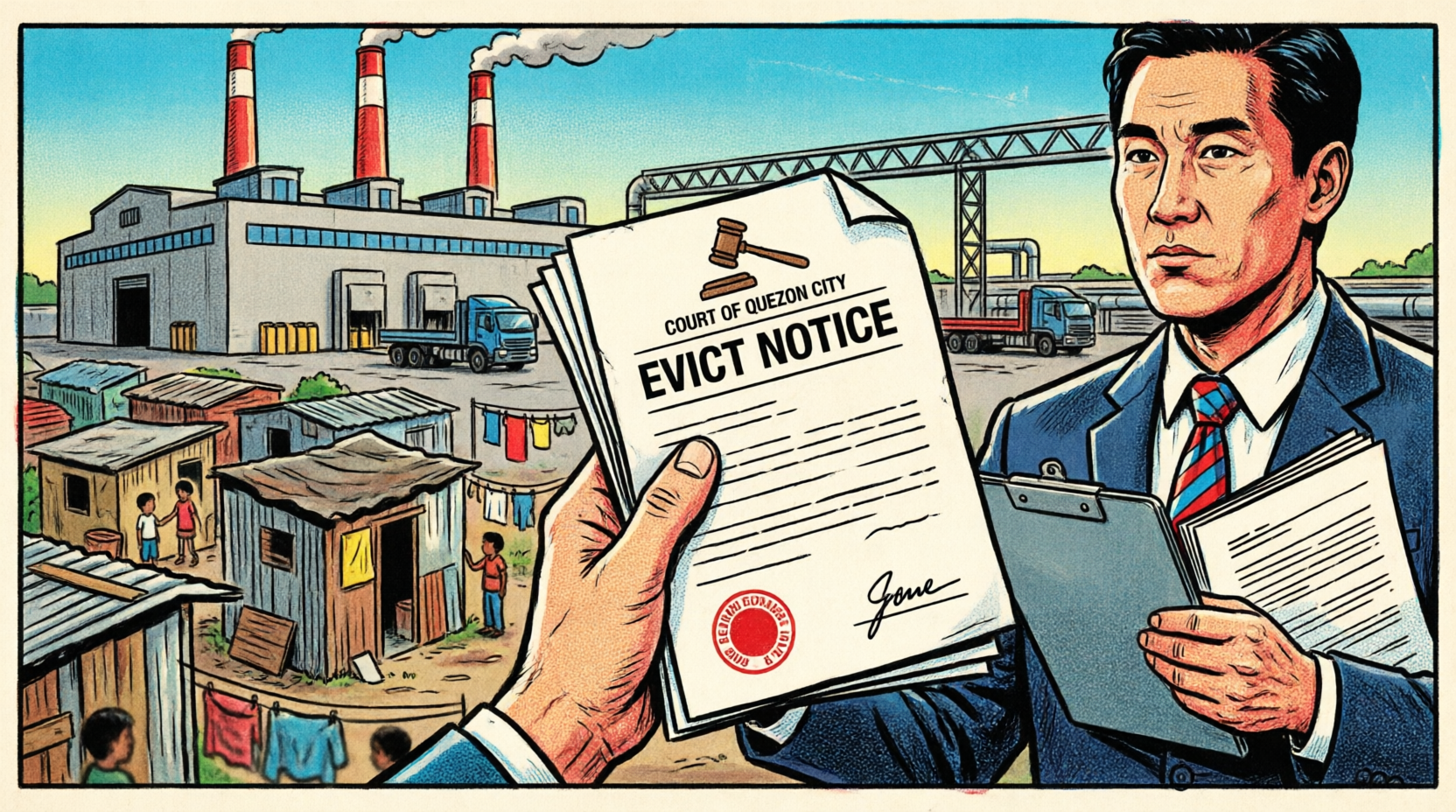
Are There Tenants in Foreclosed Properties You Need to Evict?
Are There Tenants in Foreclosed Properties You Need to Evict?
So you've found a foreclosed property listed by BDO, BPI, or Metrobank. The price looks right, the location is good, and you're already thinking about what you'll do with the place. Then you find out — there are tenants living inside. Now what?
This is one of the most common surprises buyers run into when purchasing foreclosed properties in the Philippines. It's not a dealbreaker, but you need to understand what you're getting into before you sign anything. Here's what you're likely to encounter, what your rights are, and how to handle eviction of tenants in a foreclosed property in the Philippines the right way.
Why Are There Tenants in a Foreclosed Property?
When a bank forecloses on a property, the previous owner may have already been renting it out. The tenants themselves usually had nothing to do with the loan default — they simply rented from someone who stopped paying their mortgage. In some cases, the original owner kept collecting rent from tenants while already defaulting on the bank loan.
In other situations, the original owner or their relatives are the ones still occupying the property. That also counts as occupancy the new buyer will need to deal with. Either way, the buyer inherits the situation as it is.
This is why banks like BDO, BPI, Metrobank, PNB, and RCBC usually include a clause in their Deed of Sale or Conditions of Sale stating that the property is sold on an "as-is, where-is" basis. That phrase means the bank is not responsible for clearing out occupants before you take ownership.
What Does "As-Is, Where-Is" Actually Mean for You?
When you buy a foreclosed property on an as-is, where-is basis, you are accepting the property in whatever condition it is in — physically and legally. This includes:
- Any existing tenants or occupants inside the property
- Physical damage, unpaid utilities, or deferred maintenance
- Unpaid real property taxes in some cases
- Any informal structures built on the lot
This doesn't mean you're helpless. It just means you need to do your homework before you buy, not after. Always do an ocular visit — many banks allow this during the bidding or negotiation process. If you see people living there, factor the cost and timeline of clearing the property into your offer.
Are Tenants Protected by Philippine Law?
Yes, and you need to understand this part. In the Philippines, tenants have rights under Republic Act No. 9653, also known as the Rent Control Act of 2009, which has been extended multiple times. If a tenant has a valid lease agreement and is paying rent on time, you generally cannot remove them the moment you get the title.
Foreclosure does change things, though. Under Philippine jurisprudence, a valid foreclosure and the subsequent transfer of title extinguishes the original lease contract between the tenant and the previous owner — unless the lease was registered with the Registry of Deeds or the new owner agreed to honor the lease.
In practical terms, this means:
- If the tenant's lease was not registered, you are generally not bound by it after title transfer
- If the lease was registered, you may need to honor the remaining term
- Regardless, you cannot forcibly remove anyone — you need to follow proper legal process
How Do You Legally Remove Tenants from a Foreclosed Property?
The legal process for eviction from a foreclosed property in the Philippines follows the same general rules as any other eviction. Here's a practical step-by-step guide:
- Step 1 — Negotiate first. Before going legal, talk to the tenants. Many occupants will leave voluntarily if given enough time and, in some cases, a small relocation assistance. This saves everyone time and money.
- Step 2 — Send a formal written demand to vacate. If negotiations fail, send a written notice through a lawyer. This demand letter gives the occupants a reasonable period — usually 15 to 30 days — to vacate the premises.
- Step 3 — File an ejectment case. If they still refuse to leave, file an unlawful detainer (UD) case or a forcible entry case at the Municipal Trial Court (MTC) covering the area where the property is located. Unlawful detainer is the more common route for foreclosure situations.
- Step 4 — Attend the barangay conciliation. For most disputes involving neighbors or occupants, the Katarungang Pambarangay Law requires you to go through barangay mediation first before filing in court — unless exempted.
- Step 5 — Enforce the court order. Once the court rules in your favor, you can get a writ of execution. A court sheriff will enforce the eviction. Do not take matters into your own hands — cutting off utilities or physically blocking access without a court order is illegal.
The whole process can take anywhere from a few months to over a year, depending on how cooperative the occupants are. Budget for legal fees and factor this timeline into your investment plan.
Tips for Buyers: Protecting Yourself Before You Buy
If you're seriously looking at a foreclosed property with occupants, here are some practical things you should do:
- Visit the property in person. Never buy based on photos alone. Walk the area, talk to neighbors, and check if anyone is living inside.
- Ask the bank directly. Banks like BDO and BPI have acquired asset departments. Ask them point-blank if there are known occupants and whether any eviction proceedings have already started.
- Check for registered leases. Ask a lawyer to check the Registry of Deeds for any annotated leases on the title.
- Negotiate a lower price. If the property has occupants, use that to your advantage. The hassle of eviction is a real cost — bring it up when negotiating with the bank.
- Set aside an eviction budget. Legal fees, lawyer's retainer, filing fees, and possibly relocation assistance for tenants can add up. A realistic budget is anywhere from ₱30,000 to ₱150,000 depending on how complicated things get.
Is It Still Worth Buying a Foreclosed Property with Tenants?
Honestly? It can be. Properties with occupants are often priced lower than vacant ones because banks and sellers know the buyer will have to deal with the hassle. If you have the patience, the right legal help, and a solid plan, it can still be a good deal — especially in Metro Manila, Cebu, or Davao where foreclosed property prices are already attractive.
The key is going in with your eyes open, doing proper due diligence, and treating the occupants fairly throughout the process. A negotiated exit is almost always better for everyone than a lengthy court battle.
Browse Foreclosed Properties with Confidence on ForeclosedBahay.com
Ready to start your search? Whether you're looking for a house and lot, a condo unit, or a commercial property from banks like BDO, BPI, Metrobank, PNB, or RCBC, ForeclosedBahay.com has an updated directory of foreclosed listings across the Philippines. Browse by location, bank, or property type — and go
Browse Foreclosed Properties
Search thousands of listings from BDO, BPI, Metrobank, and more.
Browse All Listings →More Articles
-
What's the Process of Buying Foreclosed Property Step by Step?
May 17, 2026
-
How to Avoid Scams When Buying Foreclosed Property Online
May 16, 2026
-
What Documents Do You Need to Buy a Foreclosed Property?
May 16, 2026
-
Can Foreigners and OFWs Buy Foreclosed Properties in the Philippines?
May 16, 2026